Collection Find: Omega 1963 167.005 Constellation Chronometer Automatic
A New Addition to my Private Collection:
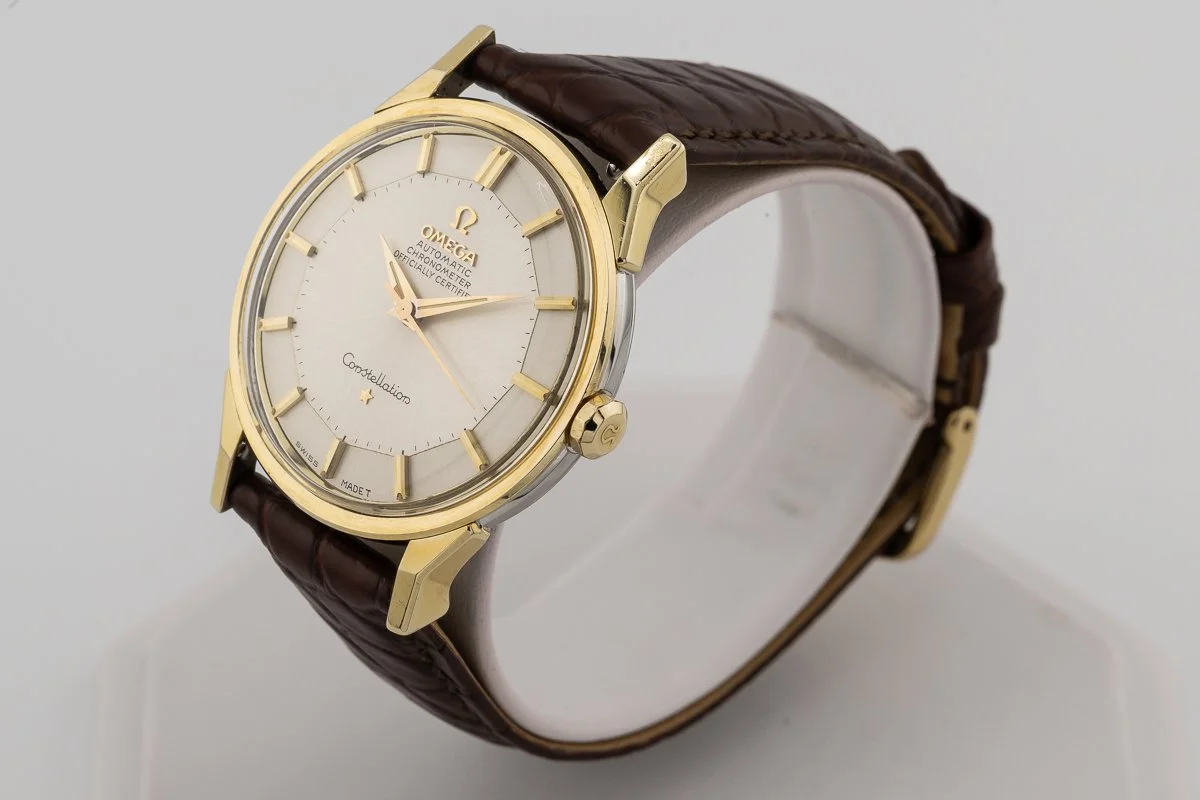
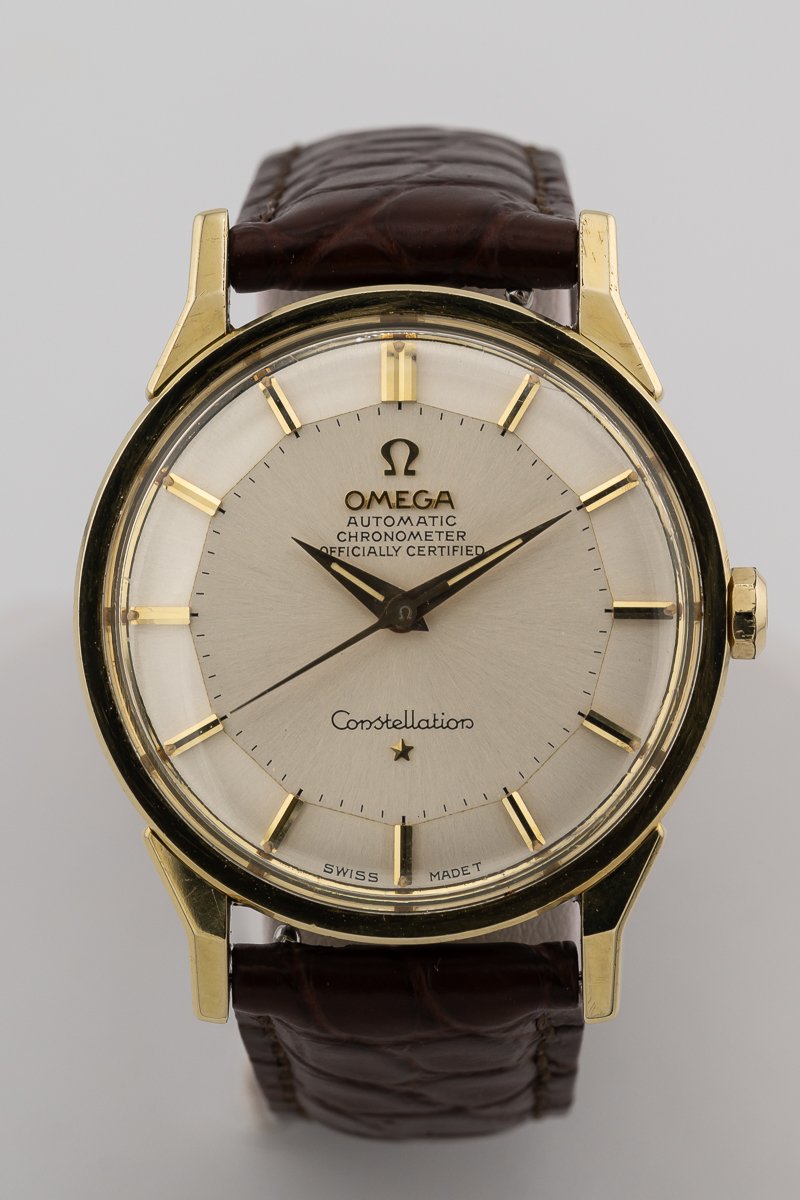
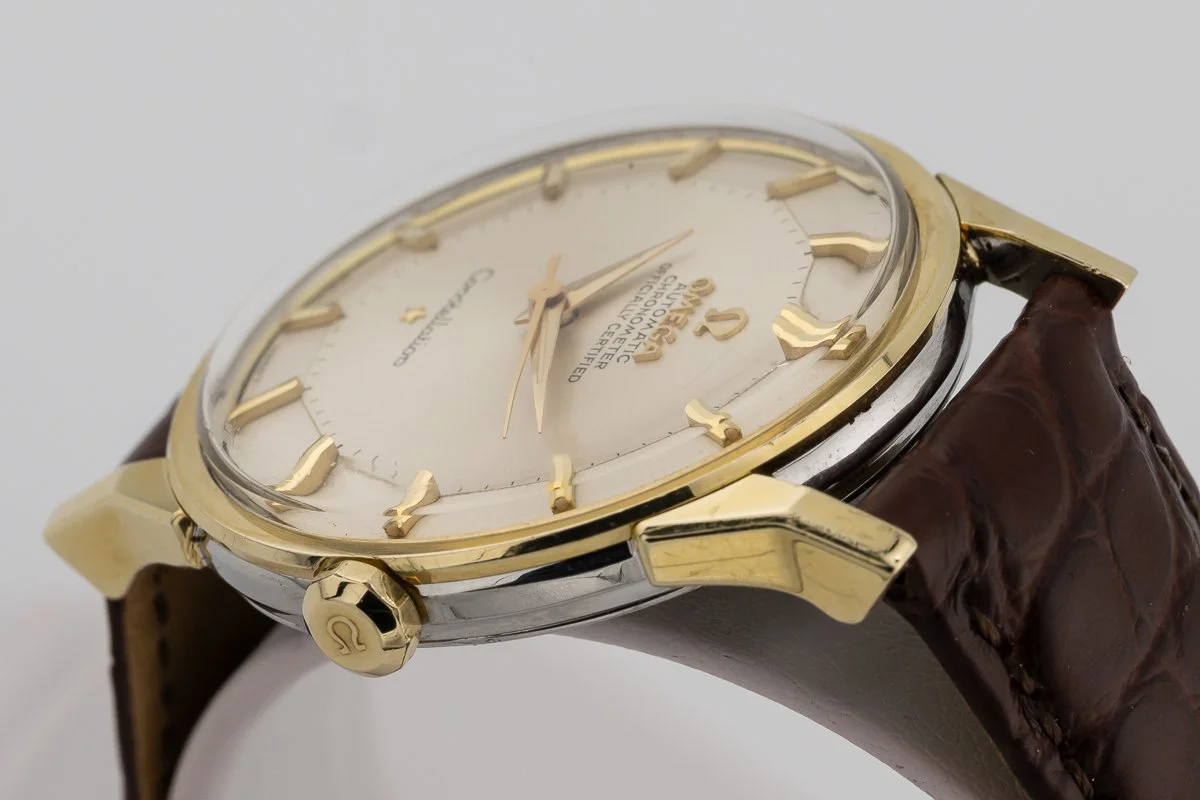
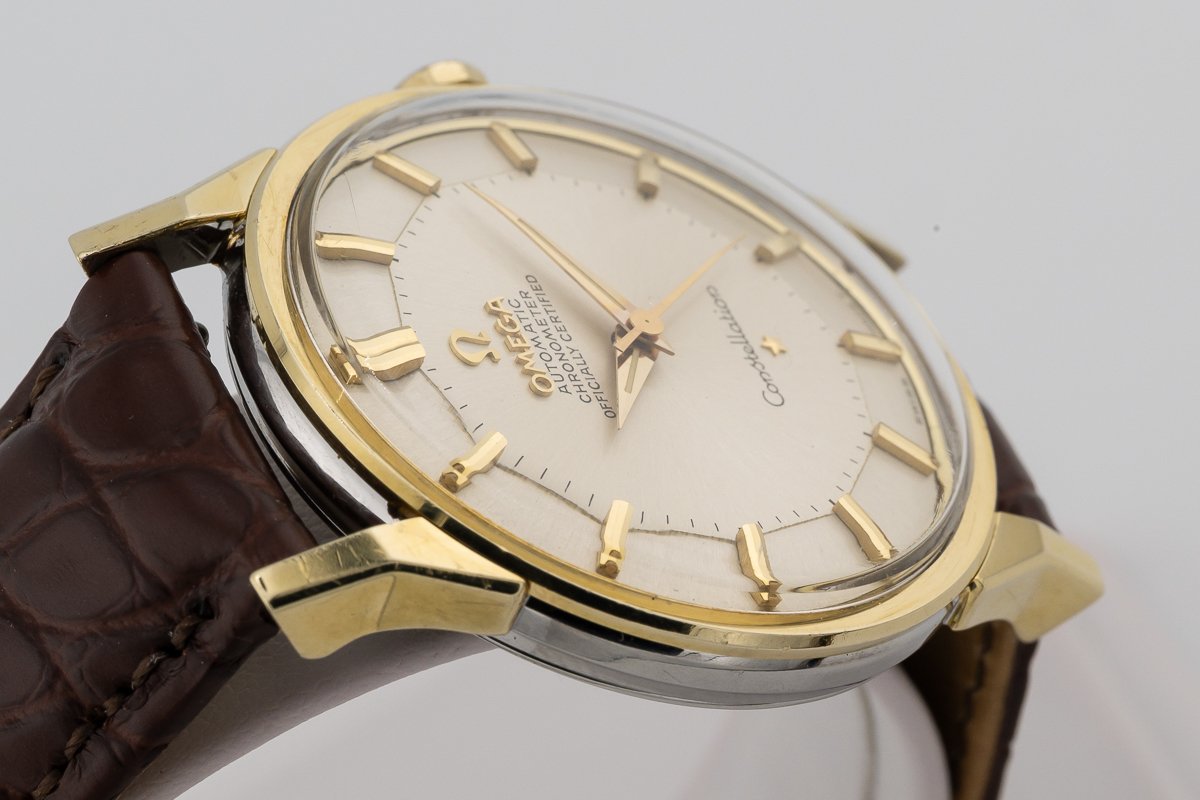
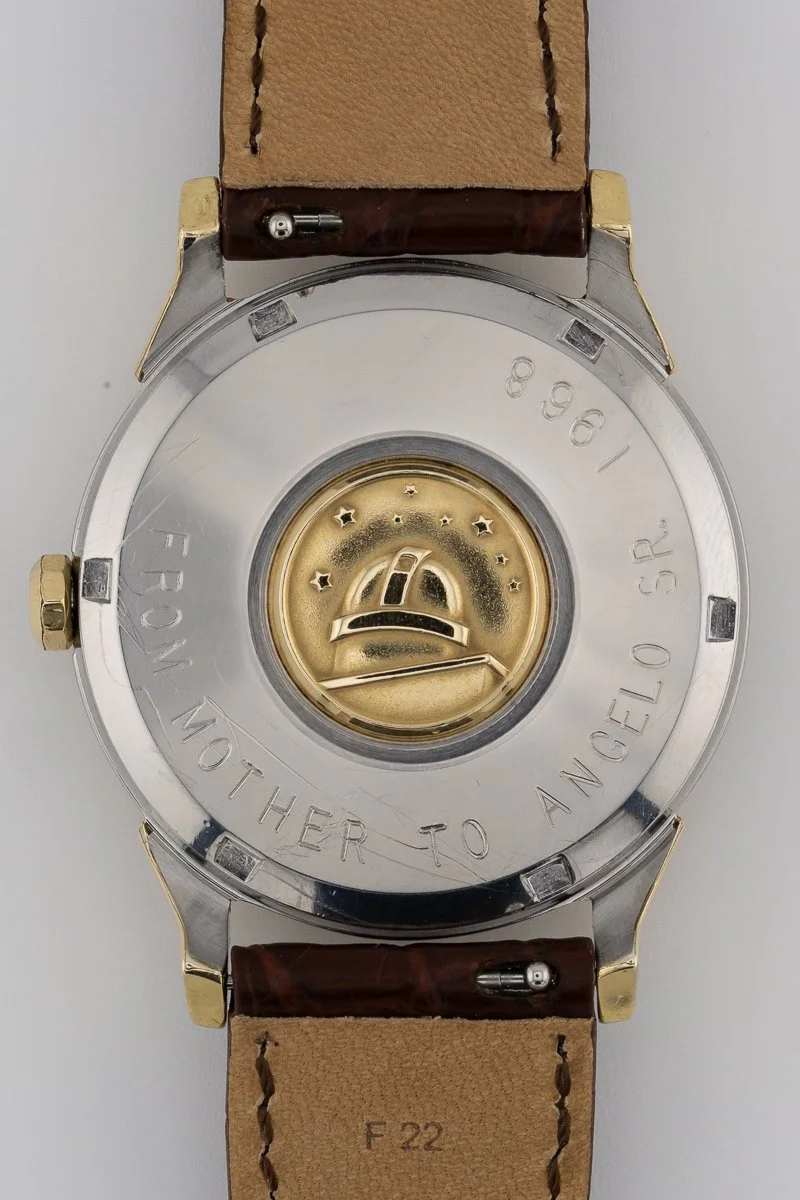
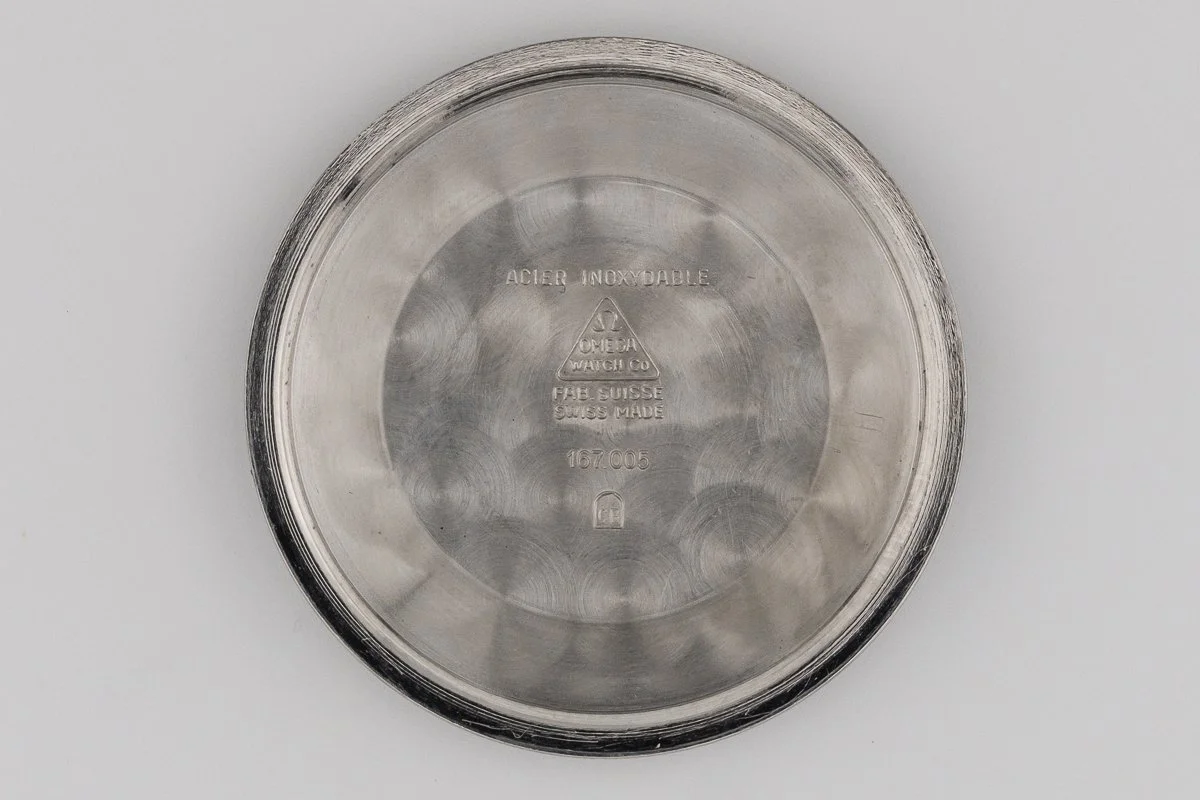
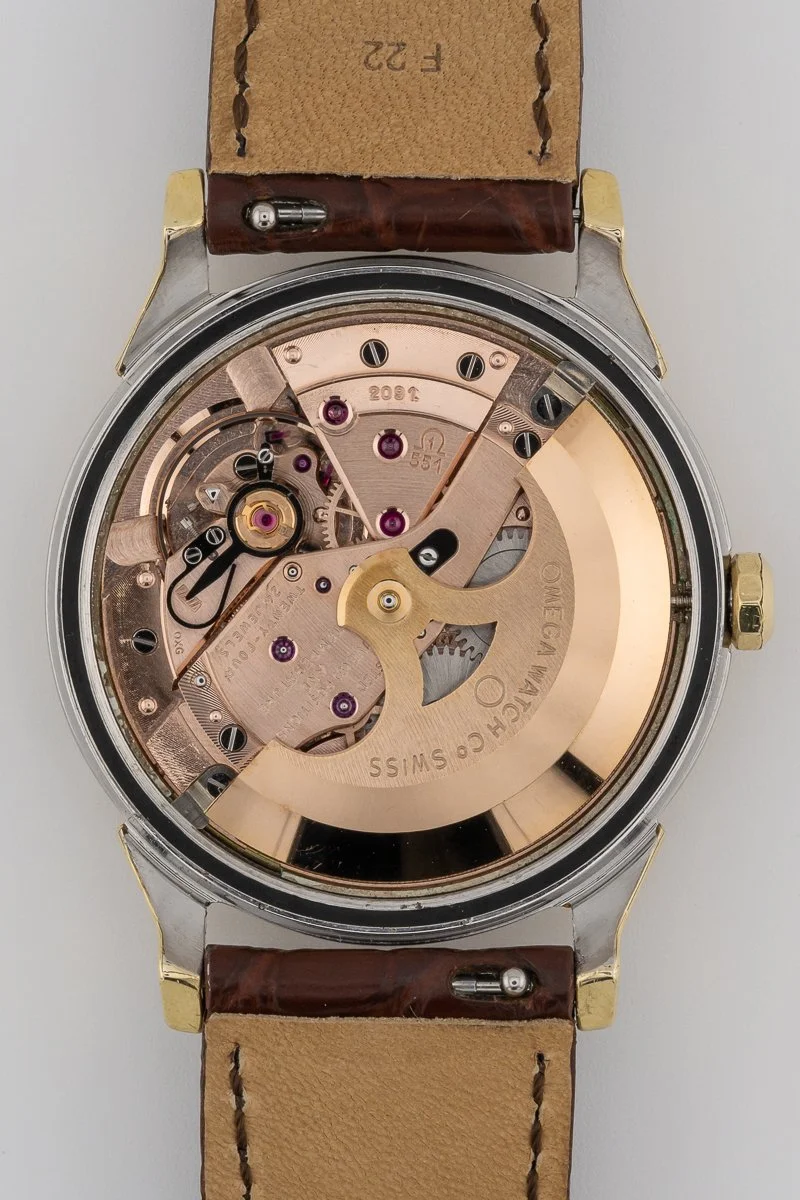
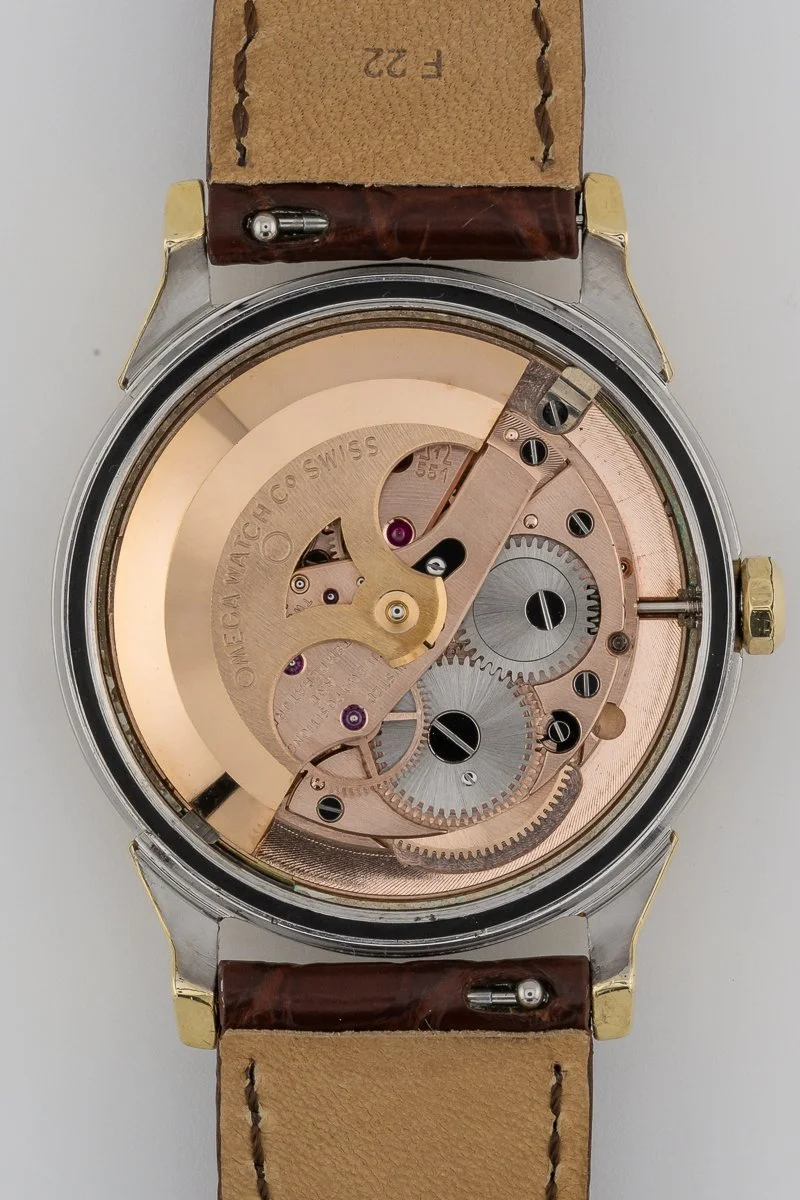
I had been looking to add a Constellation to my collection for some time before I finally scored this example in an auction. The pie pan dial is gorgeous, and the proportions are exactly what I love in a mid-century Omega: a clean 34mm case that wears bigger thanks to those crisp, faceted “dog-leg” lugs, and a dial that’s quietly dramatic once you notice what you’re looking at. The pie-pan facets catch the light in a way photos never fully capture, and the little applied star above six feels like Omega couldn’t resist a victory lap.
A bit of history; the Constellation line was Omega’s statement piece in the “technical dress watch” category—born out of the brand’s obsession with chronometry and intended to bring that observatory-grade mindset into an everyday wristwatch. This one backs it up with a chronometer-certified caliber 551 movement. The medallion on the caseback depicts the cupola of an astronomical observatory—historically identified as the Geneva Observatory. During the mid-20th century, these observatories held "chronometer trials," which were essentially the "Academy Awards" of the watchmaking world. The eight stars floating above the cupola represent Omega’s greatest chronometric achievements at these trials between 1933 and 1952:
Two World Records: Set at the Kew-Teddington Observatory in 1933 and 1936. In 1936, an Omega movement scored 97.8 out of 100, a record for precision that has never been beaten.
Six First-Place Awards: Earned at the Geneva Observatory trials between 1945 and 1952.
Omega launched the Constellation line in 1952 specifically to celebrate these victories. It was the first time any watch brand created an entire family of watches where every single piece was a certified chronometer.
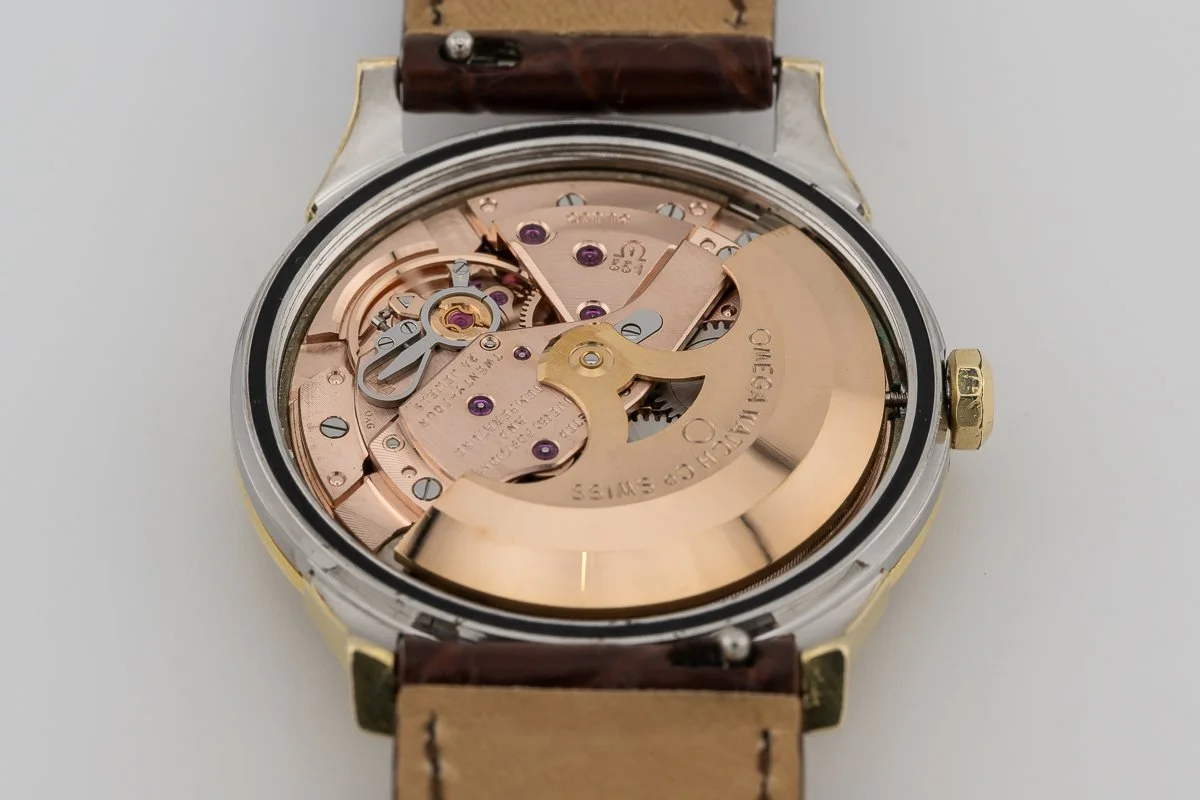
The funny part is that the first time I opened the case, the movement didn’t impress me at all. It was very dirty and gummed up; I suspect due largely to the fact that the original gasket had decayed so badly that bits of it migrated where they absolutely didn’t belong. But then I got that rare “barn find” jolt: as I looked closer, it became obvious this watch hadn’t been messed with. No scratched screw heads, no pry marks on bridges—nothing. It just looked neglected, not abused. It took more effort than usual to get everything truly clean, but the payoff was enormous. Once the grime was gone, the movement revealed itself as a spectacular mint example.
Even the 1968 caseback engraving adds to the charm for me—it pins the watch to a real moment in time, like a tiny receipt from somebody’s life. It serves to give the watch a sense of history, since it lacks the usual vintage battle scars.